

There are over 14,000 HubSpot partners globally. They all have the same certifications, the same case studies format, the same "we help you grow" messaging. In this environment, being 10% better than your competitors is irrelevant. Being fundamentally different is everything.
The Differentiation Trap
Most agencies try to differentiate on capability: "We're better at SEO." "Our reporting is more transparent." "We have a proprietary methodology." These claims fail for a simple reason: your competitors can make the same claims, and buyers have no way to verify them before signing a contract.
Real differentiation lives in three places: your point of view, your client selection criteria, and your delivery model. Let's examine each.
Point of View as Competitive Moat
A strong point of view is a belief about how the world works — specifically, how marketing and revenue generation work — that is specific enough to be controversial. If your POV doesn't make some potential clients uncomfortable, it's not specific enough.
"We don't believe in lead generation. We believe in demand creation. The difference is everything — and it's why we turn down 60% of inbound inquiries."
This kind of statement does three things simultaneously: it attracts buyers who share the belief, repels buyers who don't (saving everyone time), and creates a memorable narrative that travels through word of mouth.
Client Selection as Brand Signal
Who you work with is a more powerful brand signal than any case study or testimonial. The agencies that command premium fees are ruthlessly selective about their clients — not because they can afford to be, but because selectivity is itself a positioning strategy.
The fastest way to raise your average deal size is to publicly raise your minimum engagement threshold. Announce that you only work with companies above a certain revenue threshold, and watch your inbound quality transform within 90 days.
The Three Filters That Matter
- Revenue stage: Define the revenue range where you create the most value
- Growth trajectory: Work with companies that are growing, not companies trying to survive
- Decision-making structure: Require access to the CEO or CRO from day one
Delivery Model as Differentiation
The third pillar is how you work, not just what you deliver. Retainer vs. project, embedded vs. advisory, sprint-based vs. always-on — these structural choices communicate as much about your positioning as your messaging does.
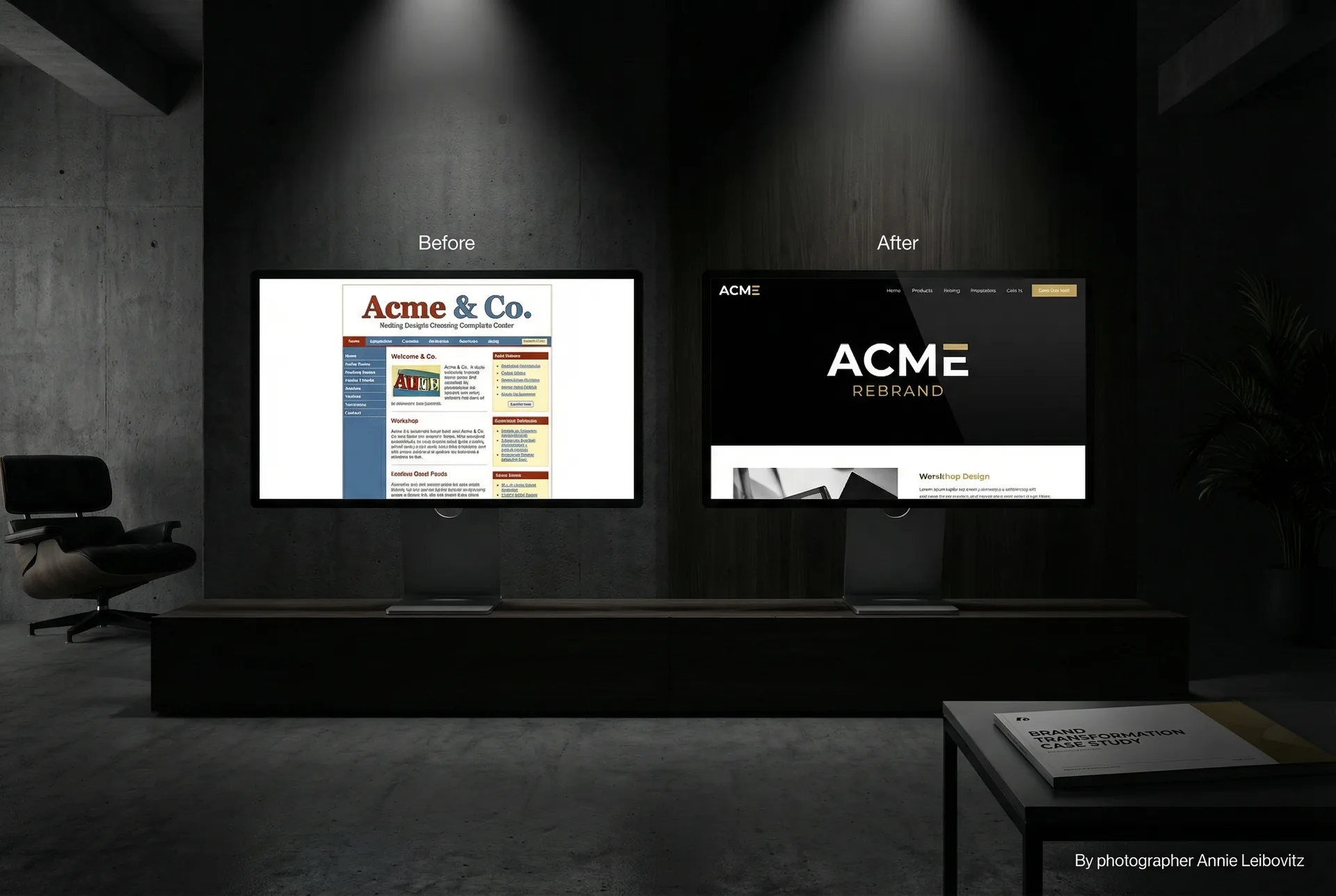
A brand positioning workshop with a Series C fintech company — the output was a 12-month go-to-market strategy that generated $4.2M in pipeline in Q1.
The agencies that charge 3–5× the market rate all have one thing in common: a delivery model that is structurally impossible to commoditize. They've built something that can't be replicated by a freelancer or a cheaper competitor, because the value is in the system, not the individual deliverables.
Building Your Positioning Statement
A positioning statement is not a tagline. It's an internal document that answers four questions: Who are you for? What do you do? How are you different? Why does it matter? Once you can answer these four questions with specificity and conviction, everything else — your website, your sales process, your pricing — becomes easier.